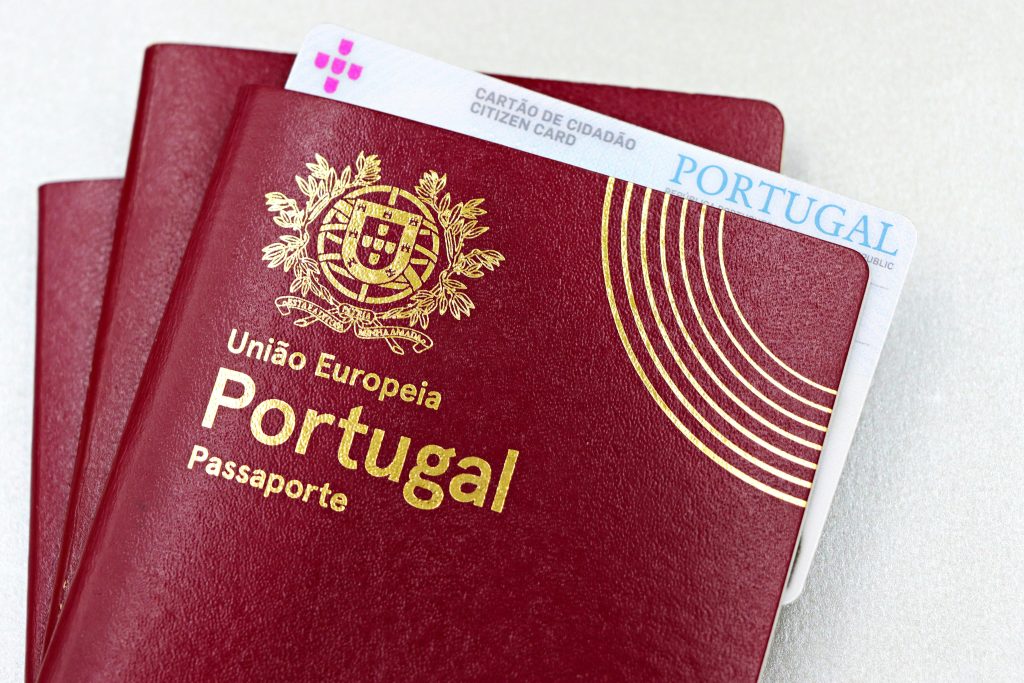

IResearching how to navigate residency rights when moving to Portugal with an EU spouse reveals that staying informed on the latest immigration policies is essential. For non-EU citizens joining their European partners, understanding the specific legal framework ensures a smooth transition to your new life abroad. Furthermore, while Portuguese immigration rules continue to evolve, the protections for EU families remain a reliable cornerstone of the law.
Planning a move to Portugal with your European Union (EU) spouse—especially if you are a non-EU citizen—often leads to questions about how recent changes in immigration law affect your family.
In light of this, the great news is that your residency rights are protected.
While the Portuguese Government is reviewing changes to Law 23/2007, which is the general regime for non-EU nationals, these updates do not apply to the family members of EU citizens. Specifically, your rights remain completely covered under a separate and very important piece of legislation: Law 37/2006, which transposes the EU Free Movement Directive into Portuguese law.
Below, we break down exactly what this means for you and the steps you actually need to take in 2025.
I. The Crucial First Step: Registering Your Marriage
Before you head to AIMA, Portugal’s migration agency, you need to ask yourself one key question: Has your marriage been registered in Portugal?
In the event that your marriage took place outside Portugal and your spouse is a Portuguese national, there is a mandatory step before anything else:
- Transcribe your marriage into the Portuguese civil registry.
This requirement is not optional. Portuguese citizens have a legal duty to keep their civil records current, and that includes their marriage certificate. Consequently, without this registration, the government will not recognize your marriage for legal purposes, meaning you cannot apply for your residence card as a spouse or for nationality.
Given that this process can take several weeks, we recommend starting it as soon as possible. Our team can certainly help you manage the paperwork and formalities.
II. The Visa Misunderstanding: Do You Need a D6?
A common concern for many couples is whether they need to apply for a D6 Family Reunification Visa.
To clarify, the answer is no. The D6 visa is for people following the general immigration law (Law 23/2007). In contrast, since your spouse is an EU citizen, your process falls under the EU Free Movement rules. Your residency rights are exercised directly in Portugal rather than through a consulate. Essentially, Portugal does not issue D6 visas for family members of EU citizens.
III. How to Enter and Apply in Portugal
A. Entry Requirements Individuals from countries that require a visa to enter the Schengen Area should apply for a Short-Term Schengen Visa (Type C) specifically for family members of EU citizens.
Under EU Directive 2004/38/EC, this visa should be:
- Fast-tracked and processed as a priority.
- Granted free of charge.
Subsequently, once you have entered Portugal, you can then apply directly to AIMA for your EU Family Member Residence Card under Article 15 of Law 37/2006.
B. Article 15: The Simple Requirements Article 15 of Law 37/2006 allows non-EU family members of EU citizens living in Portugal to apply for a five-year residence card, provided that two simple conditions are met:
- Your EU spouse is living in Portugal.
- Treaty rights are being exercised (e.g., working, studying, or proving sufficient financial resources).
Typically, the application requires:
- Proof of the EU spouse’s residence and status in Portugal (the CRUE).
- A marriage certificate with an Apostille (unless transcribed).
- Your passport and proof of lawful entry.
- Evidence of cohabitation, if that applies to your situation.
IV. What if Your Schengen Visa Expires Before AIMA?
This is a valid worry, especially with AIMA sometimes experiencing backlogs. Nevertheless, do not panic; your status remains legal as long as:
- Physical presence in Portugal is established.
- Legal entry was performed.
- The application is submitted under EU law as the spouse of an EU citizen.
Accordingly, EU law guarantees your right to reside with your family, even if there are bureaucratic delays in securing your appointment. With this in mind, it is smart to keep records of your entry date, hold onto all AIMA communications, and consider consulting a legal expert to ensure your case is fully documented.
V. Will the Proposed Law Changes Affect You?
No. The changes being discussed in Parliament only relate to Law 23/2007 (the general immigration system) and do not apply to those covered under Law 37/2006, which handles EU family reunification rights.
In summary, if you are moving to Portugal with your EU spouse or family member, your rights are secure.
Ready to move to Portugal with your EU spouse?
Moving your life across borders is a significant milestone, and having expert guidance can make all the difference.
If you are looking for peace of mind and a clear path forward, click here to schedule a consultation call with us and let’s begin your journey to Portugal today.
This content is for informational purposes only and does not replace professional legal advice. Keep in mind that specialized legal support makes the process significantly smoother and safer.